-
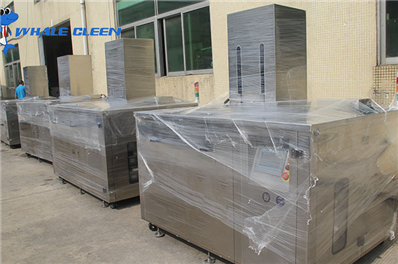 Ultrasonic Cleaning Machine: Restoring the Clear Brilliance of Glass and Metal Products
Cleaning glass and metal products is crucial to maintain their pristine appearance. The ultrasonic cleaning machine, as an efficient tool, plays a significant role in restoring the clear brilliance of glass and metal products. In this article, we will exp
-
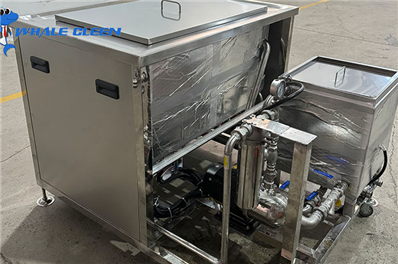 Enhancing the Longevity of Electrical Equipment with Ultrasonic Cleaning Technology
In the power industry, maintaining the operational efficiency and longevity of electrical equipment is critical. Equipment such as transformers, insulators, circuit breakers, and other power distribution devices must function reliably over extended period
-
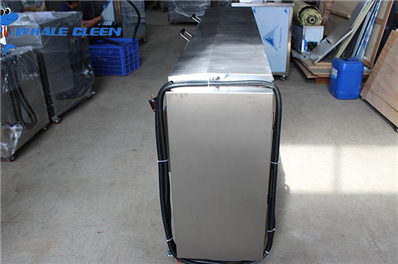 In-Depth Analysis and Buying Guide for Hydrocarbon Ultrasonic Cleaners
I. Basic Concept of Hydrocarbon Ultrasonic Cleaners A hydrocarbon ultrasonic cleaner combines the cleaning power of hydrocarbon solvents with ultrasonic technology. Hydrocarbon solvents are eco-friendly cleaning agents characterized by low toxicity, lo
-
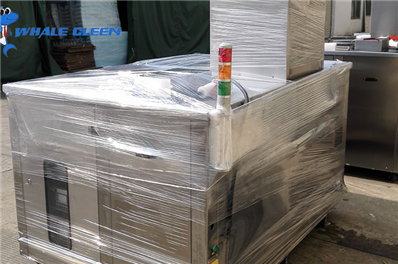 Prolonging the Service Life of Ultrasonic Cleaning Machines: Expert Maintenance Strategies for Cleaning Tools
Ultrasonic cleaning machines play a crucial role in various industries, offering efficient and precise cleaning solutions. To ensure their optimal performance and prolong their service life, a series of maintenance measures need to be implemented. This ar
-
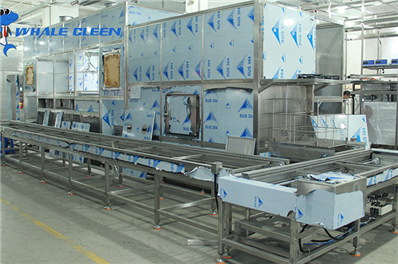 Ultrasonic Cleaning Machine for Aerospace Components: From High-Risk Traditional Methods to Non-Contact Degreasing That Safeguards Flight Safety
In the high-stakes world of aviation maintenance, cleaning is far from a routine chore — it is a direct pillar of flight safety. A single turbine blade contaminated with baked-on carbon deposits, a fuel nozzle with partially clogged orifices, or a hydraul
-
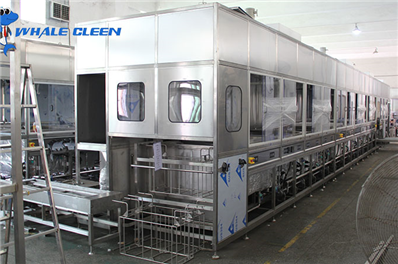 Precision Metal Stamping Parts Cleaning: Key Ultrasonic Equipment Selection Points — Why Whale Cleen Delivers Consistent, Damage‑Free Results
In high‑volume metal stamping production, cleaning is a process that is often underestimated—until it becomes the bottleneck. Stamped parts emerge from the press coated with heavy stamping oil, microscopic metal fines, and occasionally coolant residues. L
-
 Why Can't Ultrasonic Cleaners Use Thin Steel Sheets? - An Engineering Analysis of Resonance Principles and Material Selection
In the field of industrial manufacturing and equipment material selection, a fundamental principle is: "The right material for the right application." For ultrasonic cleaners, the choice of material for their core working component—the tank that
-
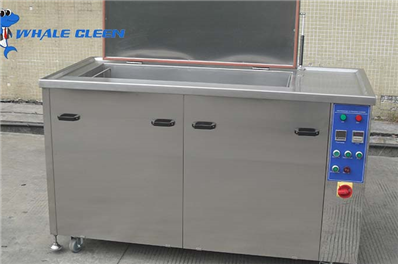 Why Do Ultrasonic Cleaners Need Degassing? The Key to Unlocking Peak Performance
When using an ultrasonic cleaner, many users focus on power settings, cleaning solutions, and cycle duration but overlook a critical step:degassing. This process, which removes dissolved gases from the liquid, might seem minor, but it significantly impact
-
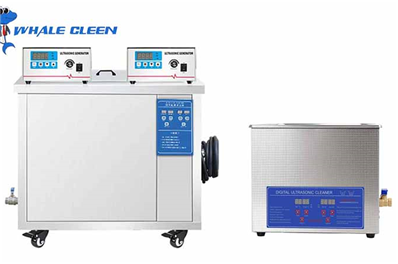 Why Ultrasonic Cleaners Can Remove Rust: The Science Behind Effective Rust Removal
Article Content Rust is a common yet stubborn problem that affects metal objects, from industrial machinery to household tools. Traditional rust removal methods often involve abrasive techniques or harsh chemicals, which can damage materials and pose e
-
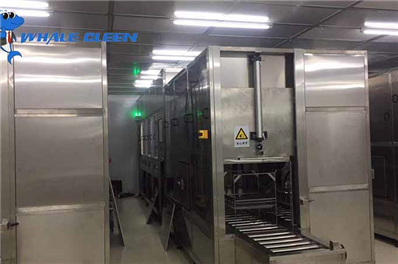 How to Remove Rust with an Ultrasonic Cleaner: The Ultimate Guide
Rust removal is one of the most challenging cleaning tasks, butultrasonic cleanerscan make it surprisingly efficient and thorough. This guide will walk you through the science behind ultrasonic rust removal, step-by-step instructions, and expert tips to r
-
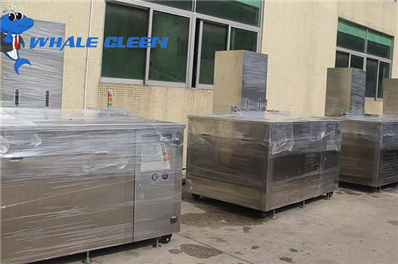 How to Prevent Rust After Ultrasonic Cleaning: 5 Scientifically Proven Protection Methods
Proper rust prevention after ultrasonic cleaning is crucial for metal parts longevity. This guide covers industrial-grade passivation techniques, eco-friendly sealants, and cutting-edge nano-coatings to create durable anti-corrosion barriers while maintai
-
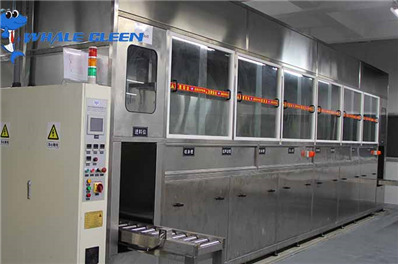 How to Reduce Ultrasonic Cleaner Noise: Effective Solutions and Practical Tips
Ultrasonic cleaners are widely used in industries, laboratories, and medical facilities for their efficient cleaning capabilities. However, the noise they produce (typically 65-85 dB) can be disruptive and even harmful with prolonged exposure. Understandi